
When thinking of Lacoste, the polo with the crocodile immediately comes to mind. But in the commercial arena, the French brand faces much more varied competitors than one might imagine. Between premium fashion houses, sportswear giants, and fast fashion brands, the competitive landscape has changed significantly in recent years.
Lacoste’s Digital Competition: A Playground Much Broader Than the Polo
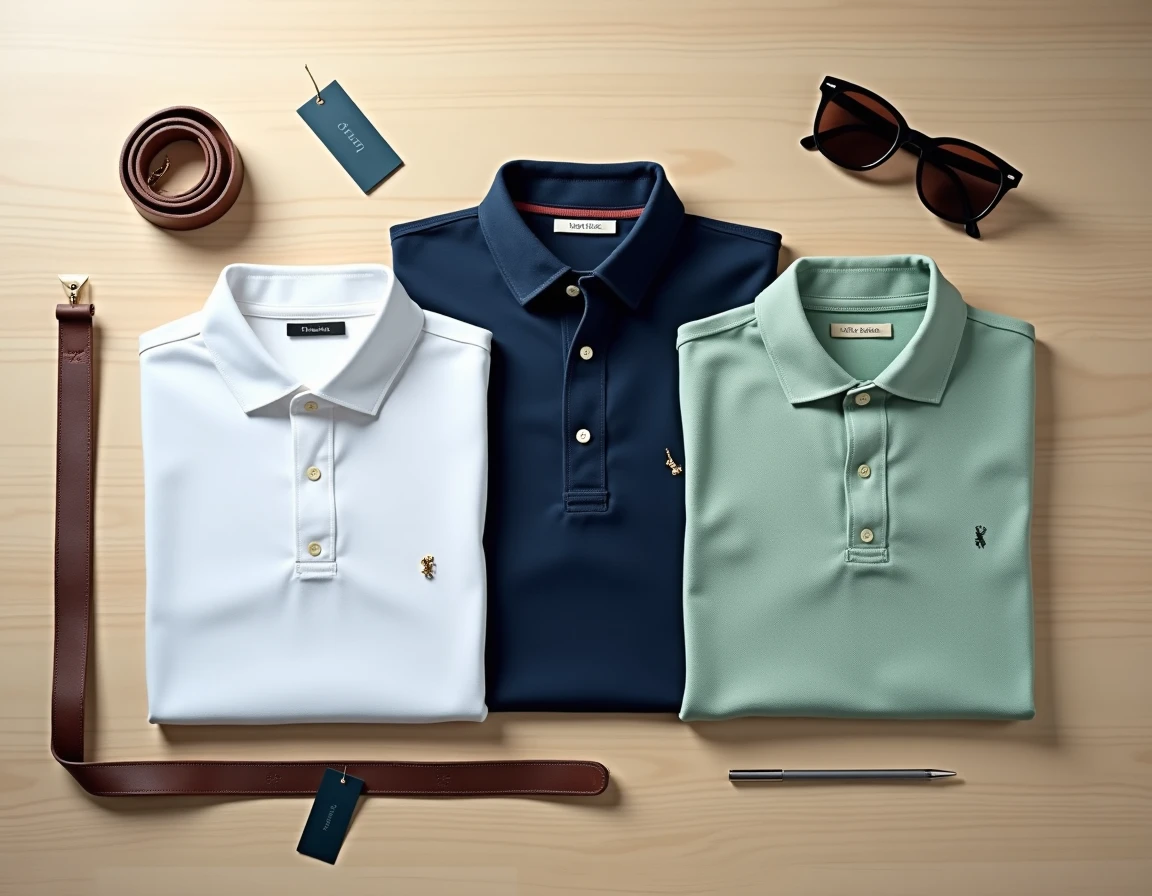
Lacoste’s competition is often reduced to so-called “preppy” brands: Ralph Lauren, Fred Perry, Gant. This categorization no longer reflects the reality of online shopping journeys.
In 2025, the websites closest to lacoste.com in terms of traffic and audience overlap include Hugo Boss, Ralph Lauren, and Fred Perry, but also Nike and Zara. The latter two capture several tens of millions of monthly visits and directly intercept searches related to stylish sportswear.
Have you ever typed “men’s polo” into Google? The results mix Lacoste, Zara, Nike, and Ralph Lauren on the same page. To understand how this rivalry is structured, one must identify Lacoste’s main competitors by distinguishing three very different families.
- Premium lifestyle rivals: Hugo Boss, Ralph Lauren, Calvin Klein, Marc Jacobs, Diesel. They share the same price positioning and the same urban clientele looking for durable pieces.
- The sportswear giants: Nike and Adidas capture attention on keywords related to sports and streetwear, two territories that Lacoste also occupies due to its recent collaborations.
- The fast fashion players: Zara and its equivalents offer polos and silhouettes inspired by “sport chic” at a fraction of the price, which blurs the lines for the occasional consumer.
Fred Perry and Ralph Lauren Against Lacoste: Two Differentiation Models to Study

Among all the competitors, Fred Perry and Ralph Lauren deserve a closer examination. They are the two brands that compete most directly with Lacoste in the premium polo segment.
Fred Perry: The Subculture Card
Fred Perry has built its identity around the British music scene (mod, punk, ska). The result: a loyal community that buys the brand for what it represents, not just for the product. Fred Perry sells cultural belonging, not just a polo.
Lacoste has taken a similar path by multiplying creative collaborations. The difference: Fred Perry remains rooted in a specific musical universe, while Lacoste plays on a broader cultural spectrum (tennis, fashion, art).
Ralph Lauren: The Total Lifestyle Empire
Ralph Lauren covers a much broader range of products than Lacoste: home decor, haute couture, perfumes, eyewear. Ralph Lauren bets on a complete lifestyle universe, whereas Lacoste remains focused on clothing and accessories.
This difference in scope has a direct consequence online. Ralph Lauren captures traffic on queries far removed from textiles (home linens, furniture), giving it a global visibility advantage. Lacoste compensates with a more readable brand image: the crocodile, tennis, French elegance.
Lacoste’s Brand Strategy: How to Stand Out in a Saturated Market
Having powerful competitors does not prevent gaining market share. However, one must choose the right levers.
The Return to Tennis as an Identity Anchor
Lacoste has strengthened its link with tennis, particularly through partnerships with top players and its presence at Roland-Garros. This choice is not cosmetic. Associating the brand with a specific sport clarifies its positioning against generalist competitors.
A consumer who hesitates between a Lacoste polo and a Zara polo is not just comparing price. They are also comparing history, sporting legitimacy, and perceived durability. Lacoste’s tennis anchoring directly influences this perception.
Targeted Collaborations and Online Presence
Collaborations with external designers or brands allow reaching new audiences without diluting identity. Two to three collaborations per year are enough to refresh the image, as explained by the former CEO of Lacoste North America.
Digitally, Lacoste has invested in a content strategy driven by ambassadors and influencers. The goal: to exist in social media news feeds just like Nike or Hugo Boss, which deploy substantial budgets there.
Online Sales and Price Positioning: The Important Trade-offs
E-commerce has changed the game for Lacoste. Online sales have significantly increased, partially compensating for periods of decreased foot traffic in stores.
The price positioning remains a delicate lever. Lacoste occupies an intermediate segment between luxury and accessible premium. Too expensive to compete with Zara on volume, not exclusive enough to rival luxury houses. This niche forces the brand to justify every euro through the quality of the pieces, heritage, and customer experience.
- Invest in the perceived quality of materials and finishes to justify the price gap with fast fashion.
- Offer a smooth online shopping experience, with customer service aligned with premium segment standards.
- Strengthen storytelling around French heritage and tennis to create an emotional attachment that price alone cannot generate.
The market for stylish sportswear continues to expand. Lacoste has assets that many competitors envy: an authentic story, a globally recognized logo, and the ability to reinvent itself through collaboration. The crocodile brand does not need to copy its rivals; it simply needs to stay true to what makes it unique while adapting its digital presence to the new rules of the game.