Choosing a hobby is not just about picking from a list of activities. Cost, geographical accessibility, and sociodemographic profile largely influence practices. By cross-referencing recent data on financial barriers, cultural attendance, and the growth of outdoor activities, several trends emerge to identify the leisure ideas best suited to each situation.
Cost, accessibility, and profile: what really influences the choice of a hobby
Competitors list activities without ever addressing the price factor. The data tells a different story. According to an Odoxa survey for RTL reported by Sporteco in 2025, 43% of French people have given up on a sports activity deemed too expensive. Young adults and lower-income groups are the most affected.
On the cultural side, the 2025 Cultural Outings Barometer from the Ministry of Culture confirms a slight decline in attendance. The gap widens according to age, education level, and socio-professional category: those aged 15-24 and the most educated attend cultural facilities more frequently.
These two observations outline a useful framework before choosing a hobby. The table below classifies several families of activities according to their entry cost and accessibility.
| Leisure Family | Entry Cost | Geographical Accessibility | Main Identified Barrier |
|---|---|---|---|
| Walking, hiking | Low (minimal equipment) | Very broad (urban and rural) | Weather, physical condition |
| Cycling (leisure) | Moderate (purchase or rental) | Broad, on the rise | Uneven cycling infrastructure |
| Cultural outings (museums, theater) | Variable (free to high) | Concentrated in urban areas | Marked socio-professional gap |
| Indoor or club sports | Moderate to high (membership, subscription) | Average | Price: 43% abandonment |
| Workshops in third places | Low to moderate | Expanding (urban and suburban) | Knowledge of local offerings |
| Creative hobbies at home | Low | Total | Isolation, motivation |
This overview allows for targeting activities that match a specific budget and living environment, rather than browsing a generic list. To explore other options categorized by theme, several sections dedicated to leisure on the Revue Républicaine website detail complementary options.
Outdoor activities: hiking and cycling showing measurable growth
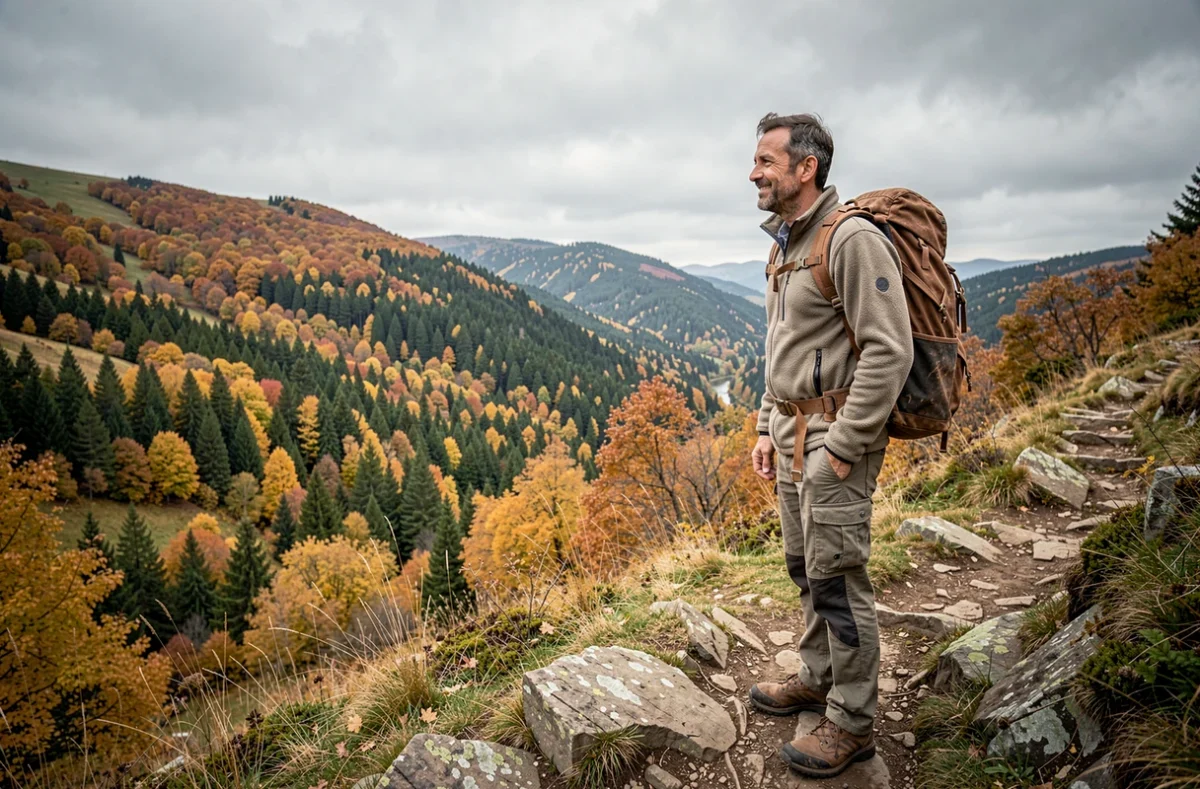
Walking and hiking are clearly progressing as accessible and low-cost hobbies, according to the Union Sport & Cycle for the French Hiking Federation (2025 study). Cycling attendance has also increased between 2024 and 2025, in both urban and rural areas.
This growth is partly explained by the low entry cost. While a gym membership or club license represents a recurring monthly budget, hiking only requires a decent pair of shoes. Cycling requires a more significant initial investment, but long-term rental systems in cities reduce this barrier.
Why these nature activities attract a broader audience
The absence of time constraints plays a role. No time slots to book, no required skill level. A marked trail or bike path can be enjoyed with family, solo, or with friends, without prior registration.
The connection to nature is another factor. Well-being surveys regularly associate outdoor activities with reduced perceived stress. For families with children, these activities provide a screen-free and budget-friendly outing.
Third places and collective workshops: an alternative to home hobbies
Third places combine sociability, creativity, and learning in one space. According to the France Tiers-Lieux census, these spaces host cooking workshops, shared gardens, DIY, games, theater, and digital mediation.
Compared to creative hobbies practiced alone at home (painting, embroidery, cooking), third places solve two problems:
- Isolation: collective practice maintains motivation and creates social bonds, a factor that lists of home hobby ideas systematically ignore
- Access to equipment: a woodworking workshop or shared kitchen provides tools that few individuals have at home
- Discovery: the rotation of offered activities (sewing one week, bike repair the next) allows for testing without a financial commitment to equipment
However, their geographical distribution remains uneven. Isolated rural areas have few, although the network is gradually expanding.
Cultural outings: a leisure activity with significant access gaps depending on profile
The 2025 Cultural Outings Barometer from the Ministry of Culture documents a fact often absent from leisure guides: access to cultural outings varies greatly by age and education level. The most educated and those aged 15-24 attend museums, theaters, and performance halls more frequently.
This observation does not disqualify cultural outings as a leisure idea, but it nuances their universality. Several factors explain this gap:
- The concentration of offerings in large urban areas, which penalizes residents of suburban and rural zones
- The cumulative cost (transport, tickets, dining), which weighs more heavily on modest budgets
- A familiarity effect: people exposed early to cultural practices maintain them more easily into adulthood
Ways to reduce this gap
Targeted free access initiatives (first Sundays of the month in certain museums, reduced rates for those under 26) partially alleviate the financial barrier. Libraries also offer free or nominally priced activities: book clubs, screenings, writing workshops.
The aforementioned third places sometimes include cultural programming (amateur theater, local exhibitions) that complements institutional offerings at a lower cost.
The choice of a hobby benefits from being evaluated on three concrete criteria: the actual budget (not just the displayed price, but the total cost including travel and equipment), the geographical proximity of the offering, and the potential regularity of practice. The most sustainable activities are those with low entry costs and easy access, which explains the measured growth of hiking and cycling compared to more expensive or geographically concentrated hobbies.